
The Rondo-Frogtown Minecraft History Project
Recording Community and Dreaming Our Future
The Project
THIS PAGE IS UNDER CONSTRUCTION. LINKS MAY NOT WORK AND SOME IMAGES MAY NOT LOAD. THANK YOU FOR YOUR UNDERSTANDING.
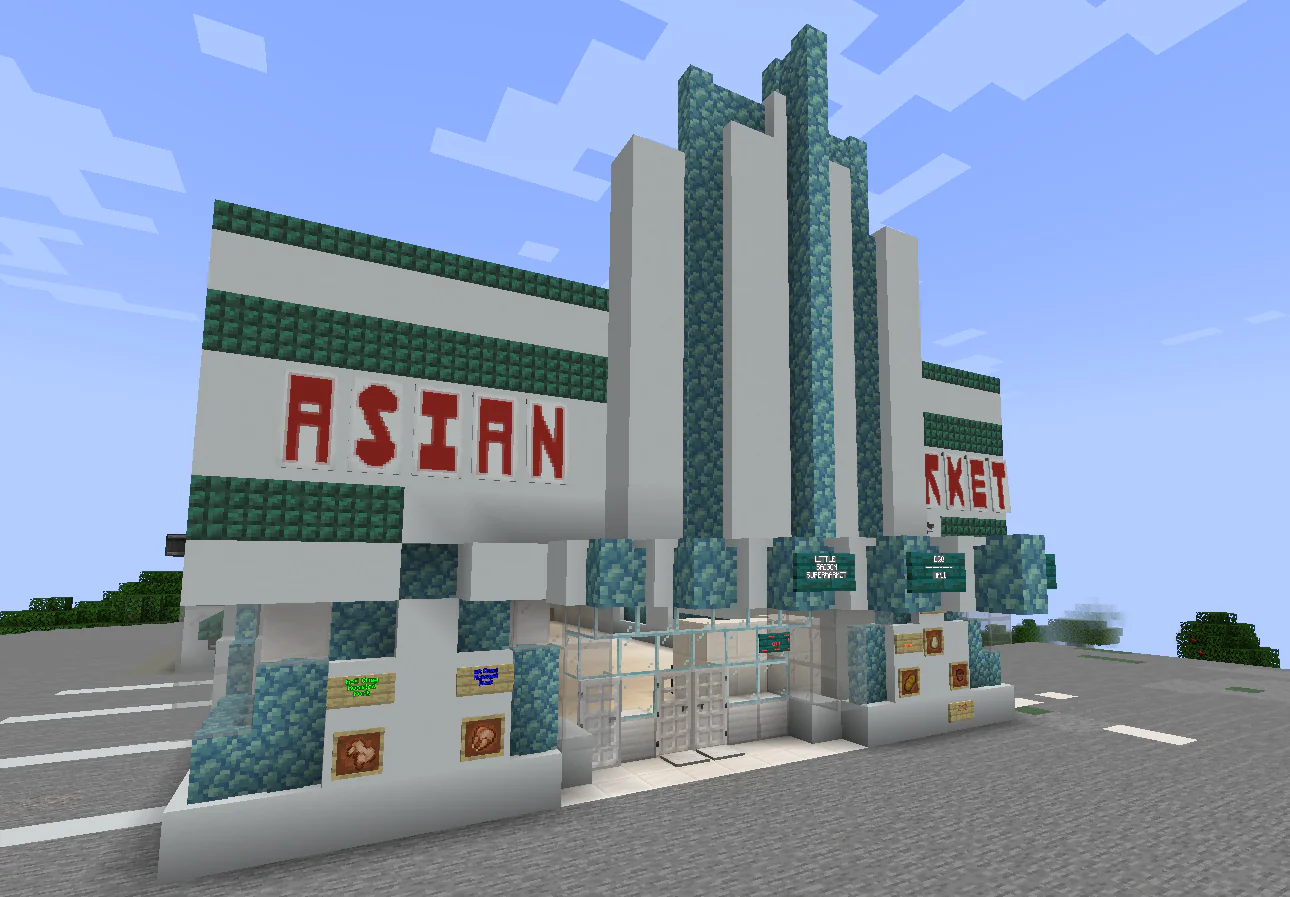
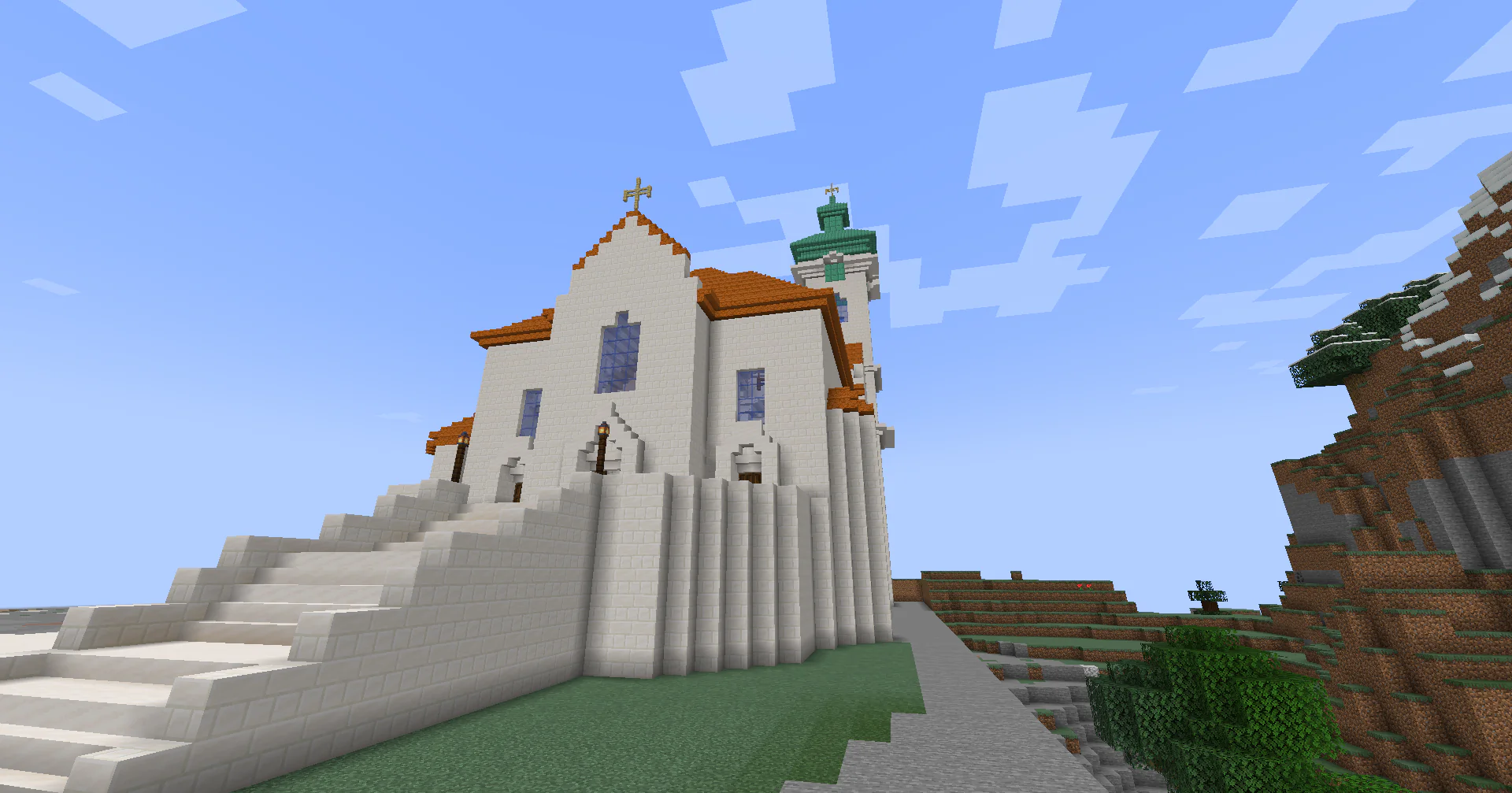
Since 2021, every season a team of interns work to model historic structures from our neighborhood, in partnership with community members who share stories about these places from across time. From St. Agnes Cathedral and Pilgrim Baptist Church to Little Saigon Market and Ray Bell Films, these models go along with recorded interviews and loads of research materials that tell the story of the neighborhood we call home. As you listen to each interview, we recommend you tour the structures that go with them in our server, 825arts.exaroton.me
Phase 1: The Test Project
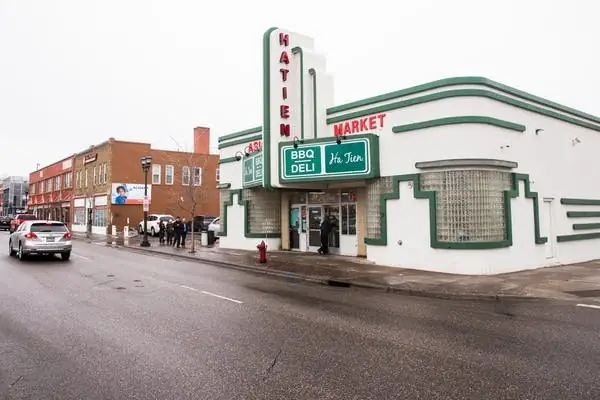
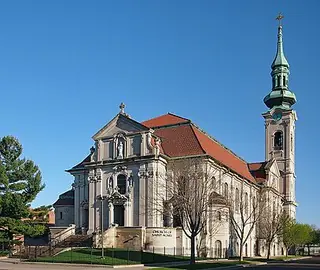
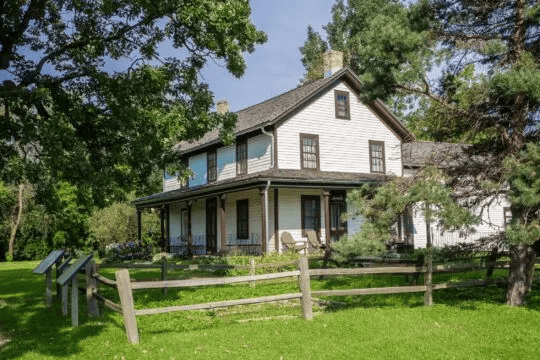
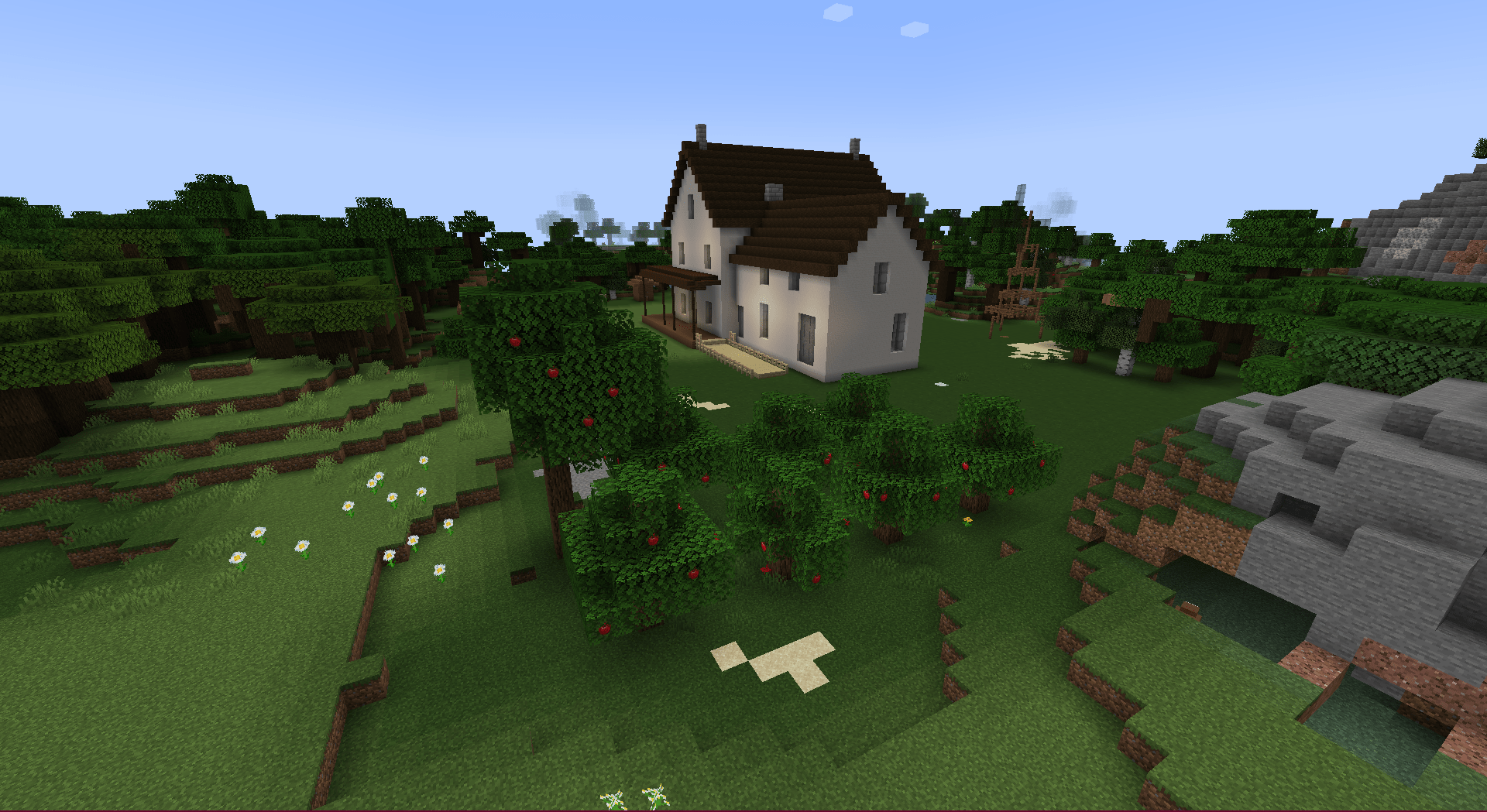
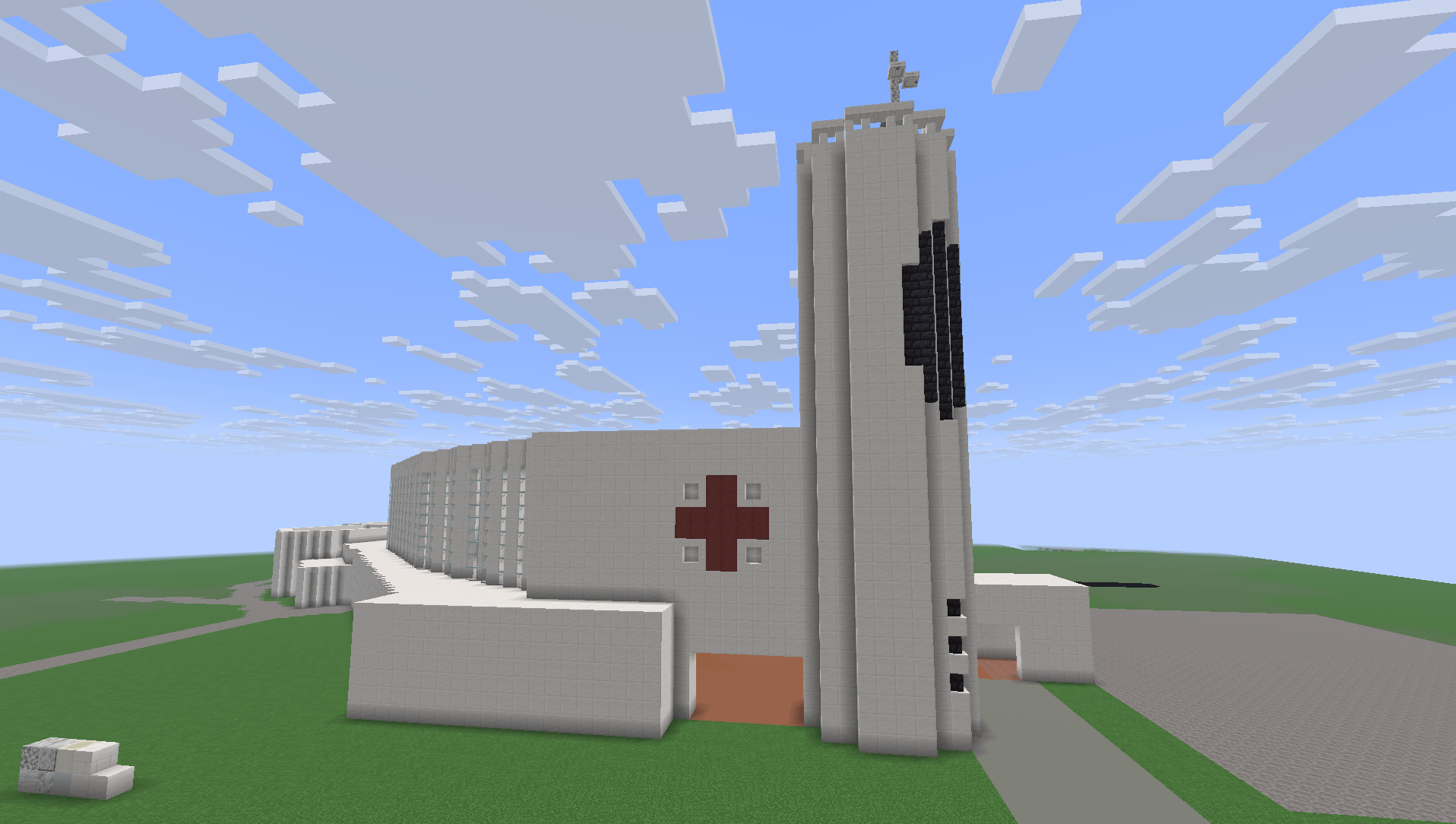
In order to get the project moving, we first had a group of three interns from the Right Track Program work with three community members to explore buildings in Frogtown and Rondo they wanted to learn more about. Dantes Ha, Sarah Snapp, and Sammy Nelson (from Gibbs Farm) helped us work to build models of Gibbs Farm, Little Saigon, and St. Agnes Cathedral. Their interviews are paired here with an image of their accompanying structure. You can tour these structures in our server at the warp /warp Partner_Builds
Phase 2: Margaret’s House
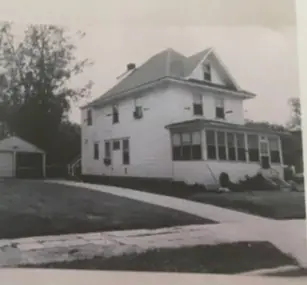
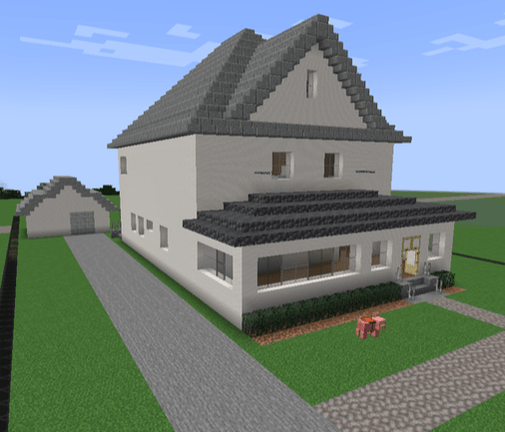
For the next phase of the project, four interns from Great River School worked with community member Margaret Lovejoy to construct her childhood home, which was destroyed as part of the construction of highway 94. They created a model which changes from her childhood home to her modern home to what may have been there pre-colonization. You can view images and listen to Margaret’s interview below. You can also tour this build, along with the model of University Avenue the interns built, at /warp intern_workspace and /warp margarets_house.
Phase 3: Victor Mister
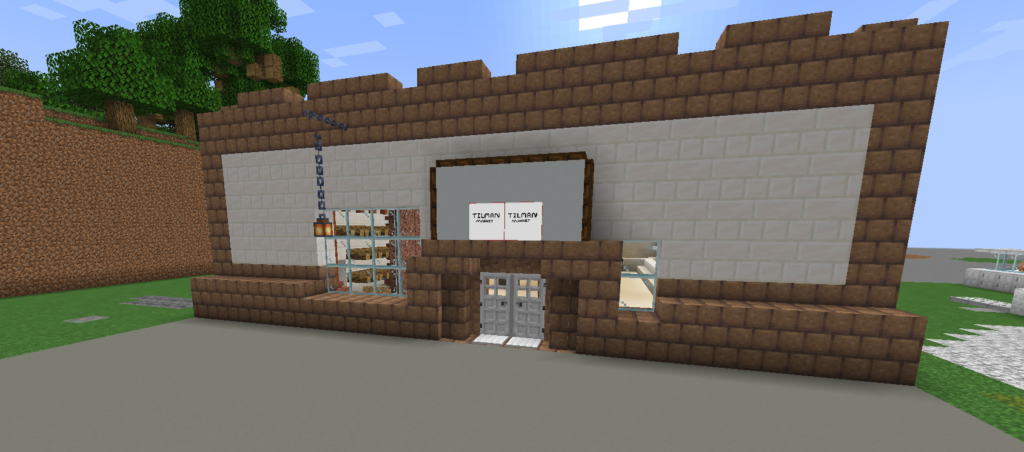
The most recent phase of the project has seen three Right Track interns work with community member Victor Mister to build models of Tilman’s Market and Carty Park. Presently, the team is focusing on creating a model of Oxford/Jimmy Lee Rec Center, ca. 1980. You can tour these builds at the warps /warp carty_park, /warp tilmans, and /warp lexington_and_marshall. Rec Center interviews are forthcoming.

Phase 4: Michael Bridgeford
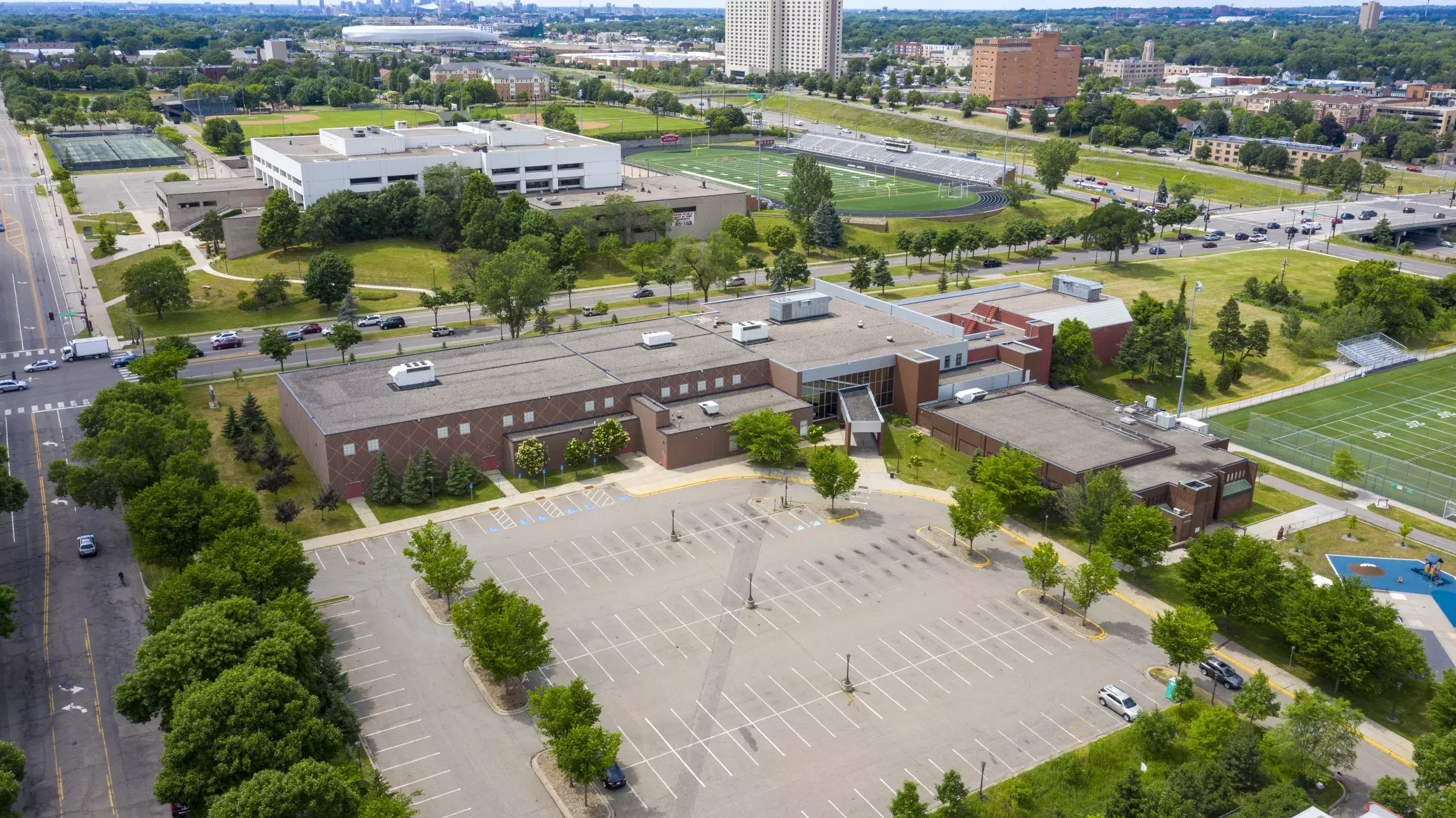
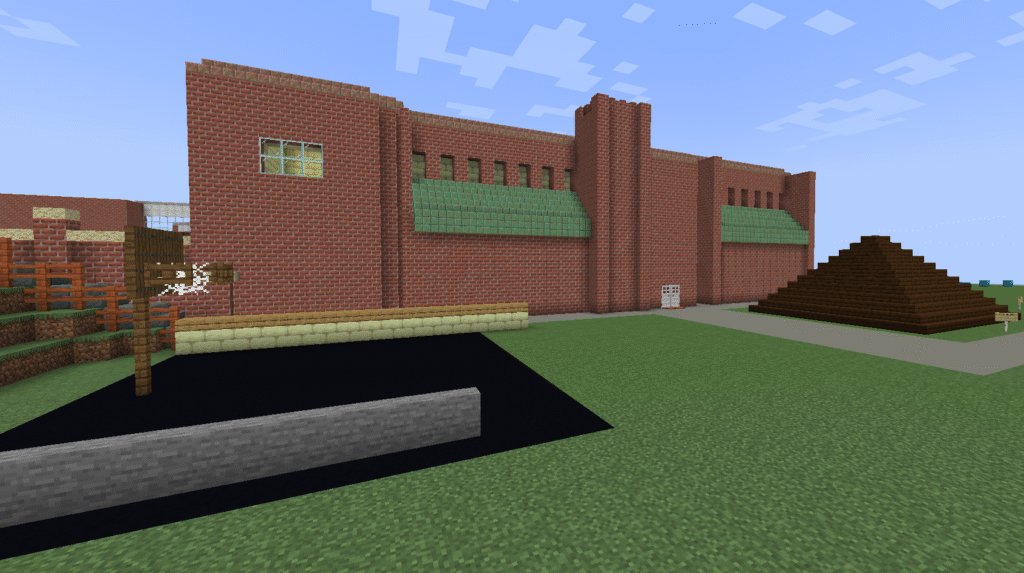
This phase of the project has seen three Right Track interns work with community member Michael Bridgeford to work on our model of Jimmy Lee/Oxford Rec Center, particularly the part occupied by the Loft Teen Center from 1970-2021. You can tour this build at the warp /warp jimmy_lee_rec.
Phase 5: Russel Ballenger
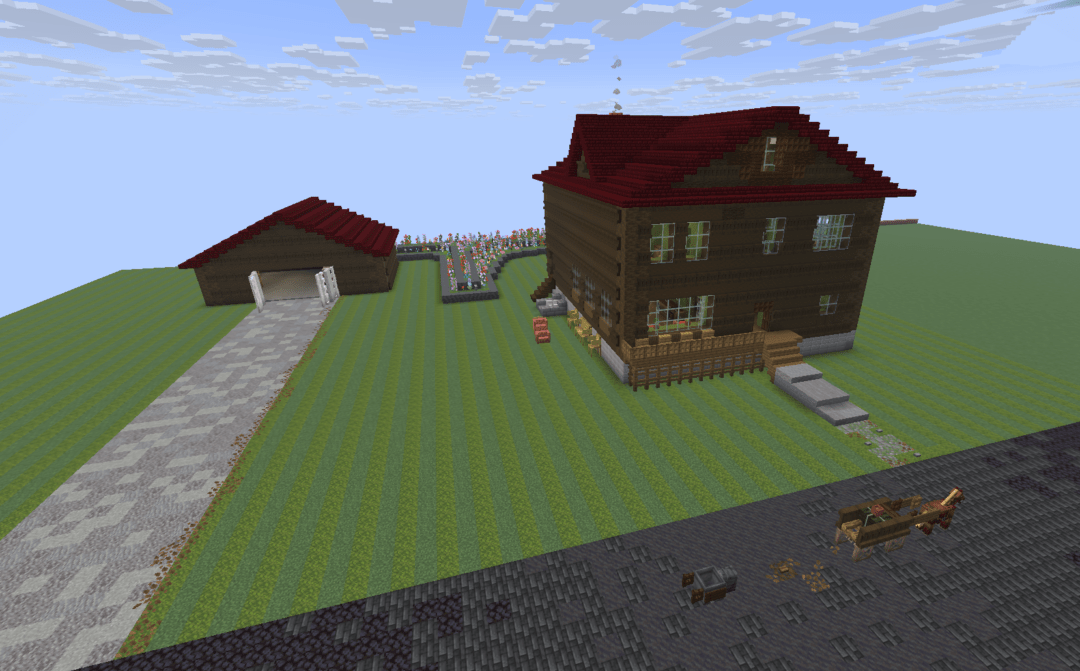
This phase of the project saw three Great River School interns work with community legend Russel Balenger to work on a model of his childhood home, which was burned down in 1954. You can tour this build at the warp /warp 812_stanth
Phase 6: Peter Nguyen
This phase of the project saw three Right Track interns work with Peter Nguyen and MK Nguyen, two local community organizers, to build St. Columba Church and the yearly Vietnamese Cultural Festival! You can visit the build at /warp StColumba.
Other Builds
Our interns sometimes go above and beyond, building extra structures from listening to elder interviews as practice between interviewees! Here’s some examples.
Field’s Drugstore
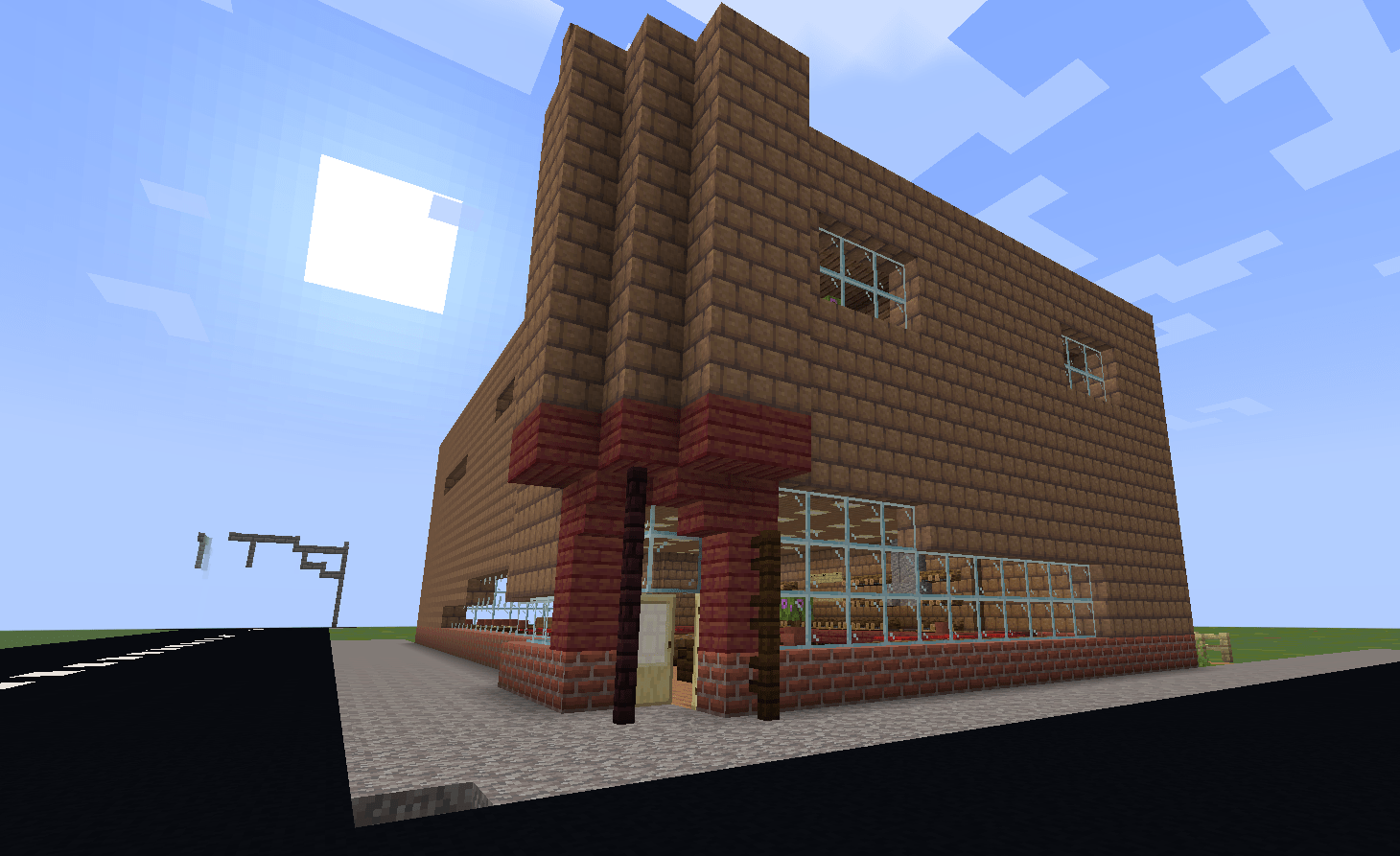
Field’s Majestic Drugstore was a drugstore on the intersection of Rondo and Dale, owned by Mr. and Mrs. Lafeyette Fields. This was built primarily from memories shared by Mrs. Margaret Lovejoy – her sister and her friends would hang out at the soda fountain – though we would later learn that the Fields also rented the second floor apartment to the Balenger family after their home burned down!
You can learn more at https://mappingprejudice.umn.edu/sites/mappingprejudice.umn.edu/files/2026-03/Frank%20White%20Rondo%20Tour.pdf (page 7) or by listening to Margaret & Russel’s interviews!
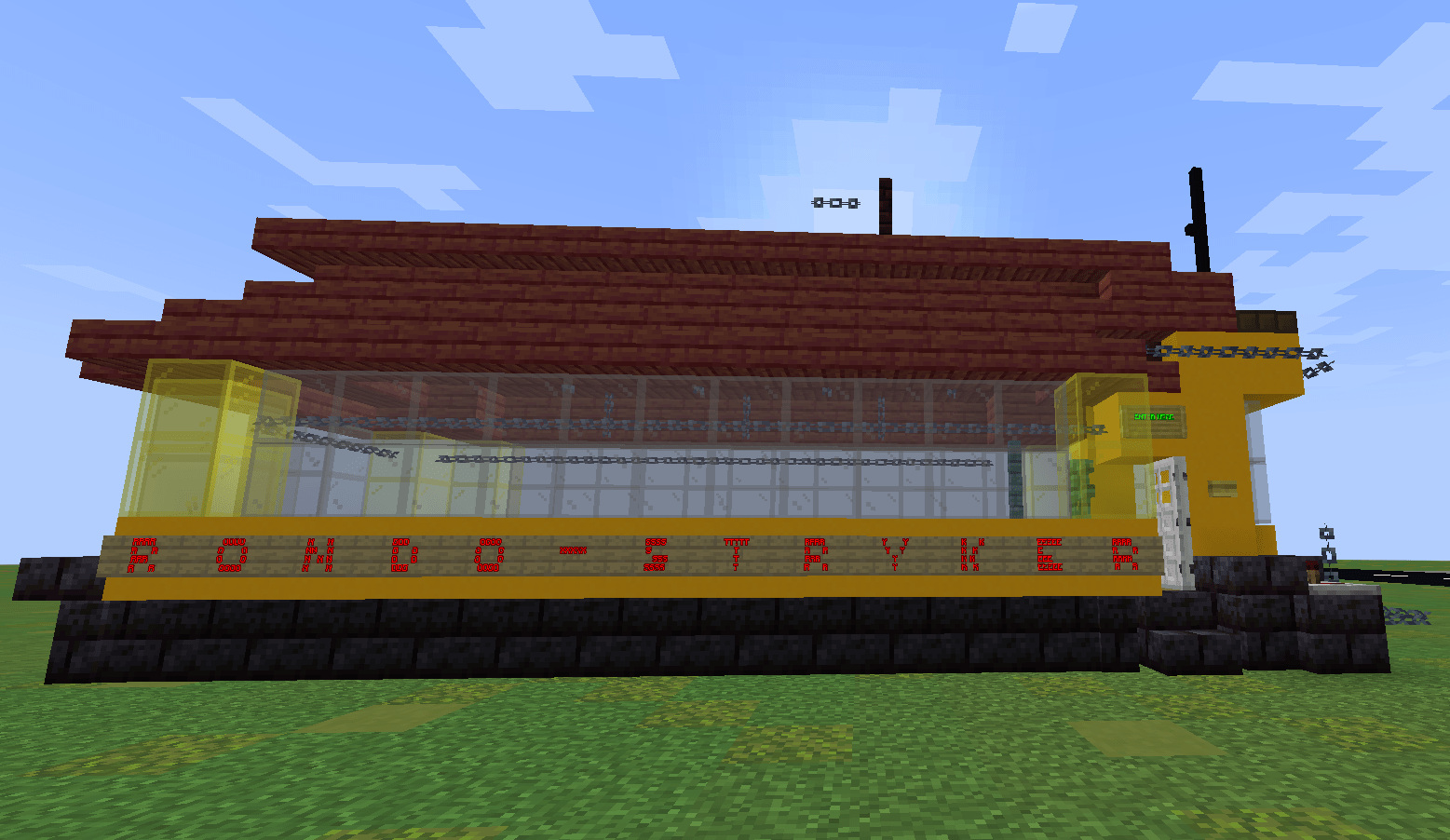
The Rondo Stryker was a streetcar, running from the intersection of Stryker and Anapolis downtown to Griggs & Selby in the Rondo neighborhood. Marget Lovejoy discusses riding it in her youth, though she notes how many people chose to walk since it didn’t run all the way to Snelling. You can view a map of the streetcar line at https://trolleyride.org/resources/historic-maps/, and you can learn more about Minnesota’s streetcars HERE. You can also learn more by listening to Margaret’s interviews!
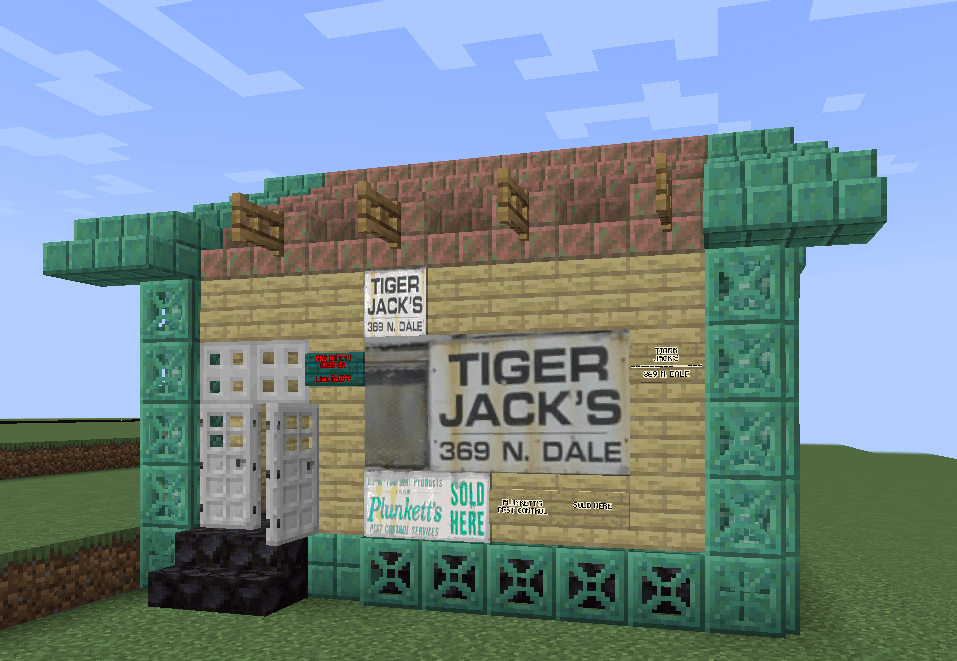
Tiger Jack’s is a neighborhood constant and the longest standing Rondo business still in existence in the neighborhood. This model was build with information from multiple interviews, including Margaret Lovejoy, Victor Mister, Ray Collins, Michael Ballenger, and more. Nearly every elder we have worked with with a connection to Rondo has spoken at length about what Tiger Jacks means to them. You can learn more at: https://www.hmdb.org/m.asp?m=181837

This activity is made possible by the voters of Minnesota through a grant from the Minnesota State Arts Board,
thanks to a legislative appropriation from the arts and cultural heritage fund.
Thank you to Our Funders!





thanks to a legislative appropriation from the arts and cultural heritage fund.
